
Mold Testing in Danboro, PA

Know What's Growing Before It Gets Worse

Professional mold testing shows you exactly what you’re dealing with—the type, the location, and what needs to happen next.

Hear from Our Customers

Professional Mold Testing Services

You Get Answers, Not Guesswork

When you suspect mold, you need facts. Not a visual inspection that misses what’s behind the walls. Not a home test kit that tells you mold exists but nothing about where it’s spreading or how bad it actually is.

Professional mold testing gives you lab-verified results. You’ll know what species you’re dealing with, whether it’s toxic, and where the contamination is concentrated. That matters when you’re deciding whether to move forward with remediation, file an insurance claim, or close on a house.

The testing process also catches what you can’t see. Mold grows in HVAC ducts, under flooring, behind drywall, and inside insulation. If you’ve had water damage—even months ago—there’s a chance mold is already established in places you’d never think to check. Air sampling and surface testing reveal the scope, so you’re not reacting to symptoms without understanding the source.

Mold Testing Company in Danboro

We Test Homes in Bucks County Every Week

We work with homeowners across Danboro and Bucks County who need clarity on mold issues. We’re not a national franchise. We’re local, and we understand what drives mold growth in this area—aging homes, fluctuating humidity, and the 5-10% increase in precipitation Pennsylvania has seen in recent years.

We use certified testing methods because Pennsylvania requires it, and because anything less doesn’t give you reliable answers. Our team includes licensed mold assessors who know how to interpret lab results and explain what they mean for your specific situation. You’re not getting a report dumped in your lap with no context—you’re getting a conversation about what happens next.

How Mold Testing Works

Here's What Happens During a Mold Test

First, we walk through your property and identify areas of concern. That includes visible mold, water stains, musty odors, or any history of leaks and flooding. We’re looking for moisture sources and conditions that support mold growth.

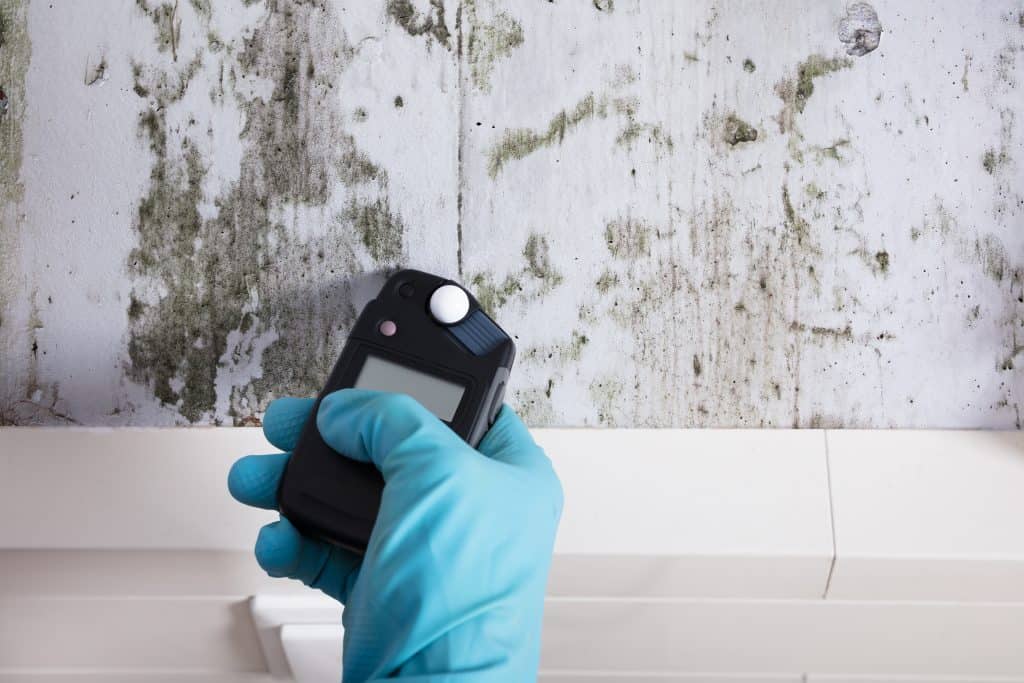
Next, we collect samples. Air sampling captures airborne spore counts in different rooms, which tells us if mold is actively circulating through your home. Surface sampling tests specific areas where we see discoloration or suspect contamination. If needed, we take bulk samples from materials like drywall or insulation to identify what’s growing inside building cavities.

We send samples to an accredited lab for analysis. Results typically come back within a few days and identify the mold species, concentration levels, and whether you’re dealing with toxic varieties like Stachybotrys (black mold). Once we have the lab report, we review it with you and outline your options—whether that’s targeted cleaning, full remediation, or monitoring if levels are low and manageable.

Ready to get started?

Explore More Services

About Mack's Mold Removal

Residential Mold Testing in Danboro

What's Included in a Mold Test

Every mold test includes a visual inspection, moisture mapping with thermal imaging, and sample collection using professional-grade equipment. We use moisture meters to measure humidity levels in walls and floors, which helps pinpoint where water intrusion is feeding mold growth.

You’ll receive a detailed lab report that breaks down mold species, spore counts, and contamination levels by room. The report also includes our assessment notes and photos documenting conditions at the time of testing. If you’re filing an insurance claim or need documentation for a real estate transaction, this report provides the evidence you need.

In Danboro and surrounding Bucks County, we see mold most often in basements, crawl spaces, bathrooms, and attics—especially in older homes where ventilation is limited and moisture control wasn’t built into the original design. Homes near wooded areas or with poor drainage also tend to have higher humidity levels, which accelerates mold growth after any water event. Knowing these local patterns helps us focus testing in the right areas and catch problems before they spread.

How much does professional mold testing cost in Danboro?

Most residential mold testing in Danboro runs between $300 and $600, depending on the size of your home and how many samples we need to collect. A basic test with air sampling in two or three rooms costs less than a comprehensive assessment that includes surface samples, bulk material testing, and moisture mapping throughout the property.

If you’re dealing with a specific area—like a basement after a flood or a bathroom with visible growth—you can often get useful results with targeted testing rather than a whole-house evaluation. That keeps costs down while still giving you the information you need to move forward.

Some homeowners insurance policies cover mold testing if the mold resulted from a covered event like a burst pipe or storm damage. It’s worth checking your policy or talking to your adjuster before scheduling, especially if you’re already filing a water damage claim.

Home test kits can tell you if mold spores are present, but they don’t tell you what type of mold you have, how much is there, or where it’s concentrated. Most kits return results showing mold exists—which isn’t helpful, because mold spores exist in nearly every indoor environment. What matters is the species and the concentration.

Professional mold testing uses lab analysis to identify specific mold types, including toxic varieties like Stachybotrys and Aspergillus. The lab report shows spore counts per cubic meter of air, which tells you whether levels are elevated compared to outdoor baselines. That’s the data you need to make decisions about remediation.

Home kits also can’t detect hidden mold. If mold is growing inside your walls, under flooring, or in your HVAC system, a surface swab or petri dish sitting on a counter won’t catch it. Professional testing includes air sampling and moisture detection that reveals contamination you can’t see, which is usually where the real problem is.

A mold inspection is a visual assessment. We walk through your property, look for visible mold, check for water damage, and identify conditions that could support mold growth. It’s useful for understanding where problems might exist, but it doesn’t give you lab-verified data.

Mold testing goes further. We collect air, surface, or bulk samples and send them to a lab for analysis. The lab identifies the mold species, measures spore concentrations, and determines toxicity levels. Testing gives you concrete evidence of what’s growing and how severe the contamination is.

Most homeowners benefit from both. The inspection helps us decide where to test, and the testing confirms what we’re dealing with. If you’re buying a home, filing an insurance claim, or experiencing health symptoms you think are mold-related, testing is usually necessary to get the documentation and answers you need.

Lab results typically come back within three to five business days after we collect samples. Some labs offer expedited analysis for an additional fee if you need results faster—usually within 24 to 48 hours.

Once we receive the lab report, we’ll walk you through the findings and explain what they mean for your situation. The report includes mold species identification, spore counts, and our recommendations for next steps. If remediation is needed, we’ll outline what that involves and give you a clear timeline.

The testing appointment itself usually takes one to two hours, depending on the size of your home and how many areas we’re sampling. We’re not rushing through it—we’re making sure we capture accurate data from the right locations so the lab results actually reflect what’s happening in your home.

Yes. The lab report shows mold species and concentration levels, which tells us whether remediation is necessary or if the issue is manageable with cleaning and moisture control. If spore counts are significantly elevated compared to outdoor levels, or if we find toxic mold species, remediation is usually the right move.

Some situations don’t require full remediation. If mold is limited to a small surface area, hasn’t penetrated porous materials, and the moisture source is already fixed, you might be able to address it with proper cleaning and dehumidification. The testing results help us make that call based on data, not assumptions.

Pennsylvania law requires licensed professionals to conduct mold assessments, and our team is certified to interpret results and recommend appropriate action. We’re not trying to upsell you on services you don’t need—we’re giving you the information to make an informed decision about your property and your health.

If lab results confirm Stachybotrys chartarum—commonly called black mold—we’ll walk you through what that means and what needs to happen next. Black mold produces mycotoxins that can cause respiratory issues, headaches, and allergic reactions, especially with prolonged exposure. It’s not something you want to leave in place.

Remediation for black mold involves containment, removal of contaminated materials, HEPA filtration, and thorough cleaning of affected areas. The process is more involved than surface cleaning because black mold often grows deep into porous materials like drywall, insulation, and wood framing. Those materials usually need to be removed and replaced.

The good news is that finding it through testing means you’re catching it before it spreads further. Many homeowners don’t realize they have black mold until health symptoms become severe or the contamination is widespread. Testing gives you the chance to address it early, limit the damage, and protect your family’s health.

Other Services we provide in Danboro